🎁 Free Design Consultation worth ₹5,000 with your first order. Claim now →Free Consultation worth ₹5,000 with first order — Claim →

What FOB Tirupur Means for Your Order
"FOB Tirupur" is the default incoterm on most knitwear orders shipping out of India. For international buyers placing their first order, the term shows up on the quote and the question is usually the same — what exactly does it cover, and what am I on the hook for? Here is a plain answer, written by someone who has shipped a lot of cartons out of Tirupur.
Export-ready from Tirupur

Bulk produced to spec, QC passed
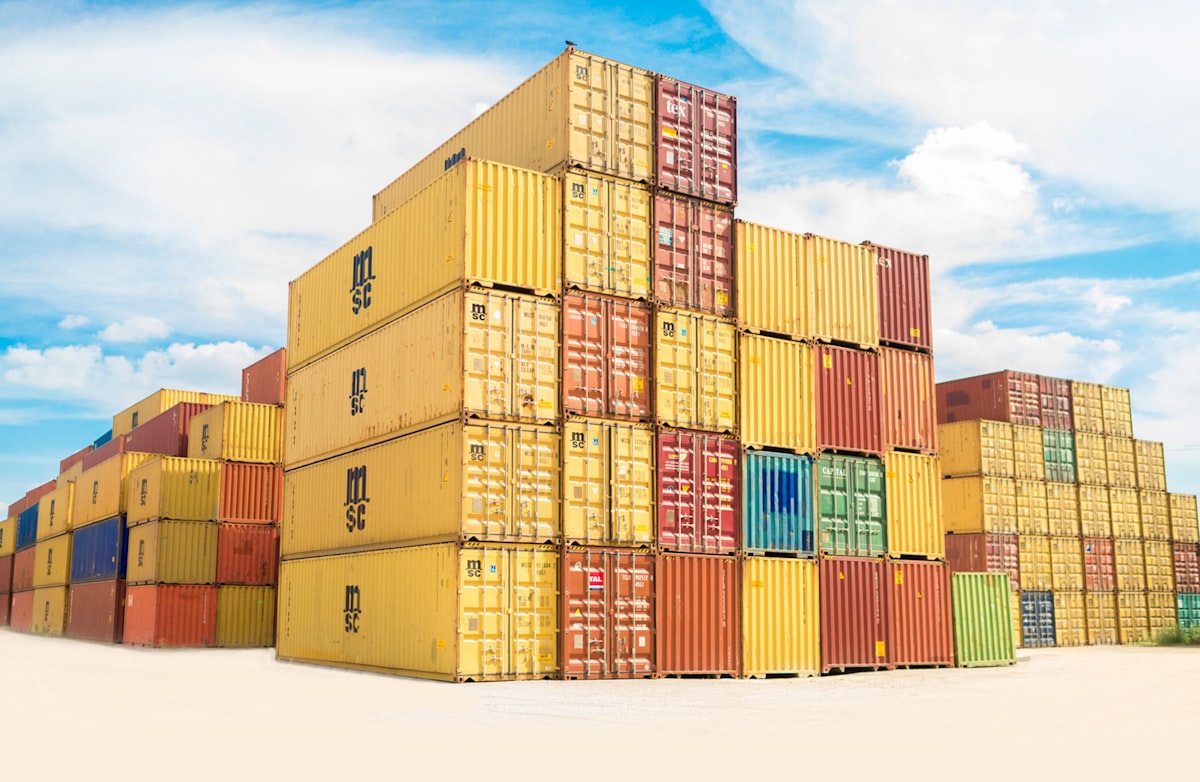
Loaded at port, freight handed over
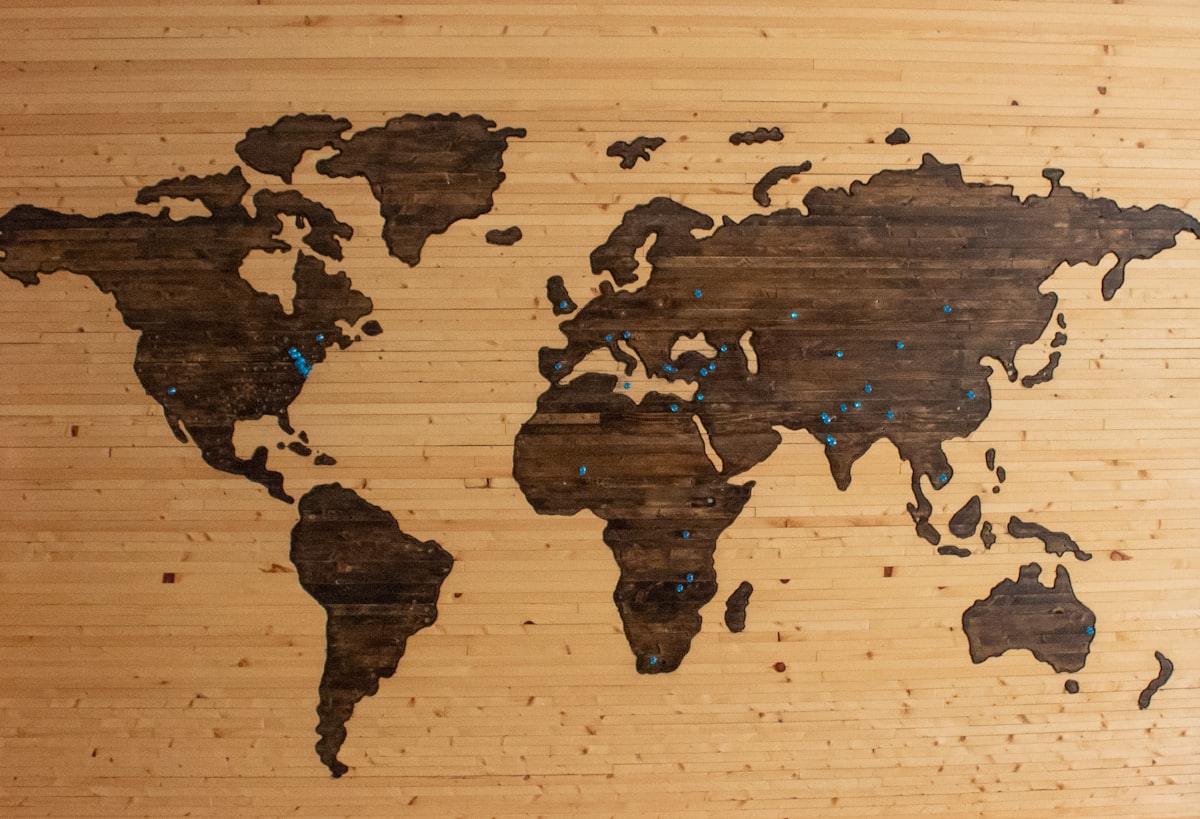
UK, UAE, AU, US — sea + air
FOB stands for Free On Board. Under FOB Tirupur, the seller is responsible for producing the goods, packing them, getting them to the port, clearing Indian customs, and loading them onto the vessel. The moment the goods cross the ship's rail, cost and risk transfer to the buyer. From that point on, freight, marine insurance, destination port handling, import customs, and last-mile delivery are the buyer's responsibility.
What "FOB" actually stands for — in plain language
FOB is one of the standard international shipping terms maintained by the International Chamber of Commerce — the Incoterms set. It exists because in any international trade transaction there is a long list of costs and risks between the factory floor and the buyer's warehouse, and someone has to be clearly responsible for each one. FOB draws the line in a very specific place: the rail of the vessel at the port of loading.
Everything that happens before that point — production, packing, internal transport, export documentation, Indian customs — is on the seller. Everything that happens after that point — international freight, insurance during transit, destination port handling, import customs, last-mile — is on the buyer. That single transfer point is the whole concept.
A small terminology note: "FOB Tirupur" is how the term is used in practice, but strictly speaking FOB applies at a named port, and Tirupur is an inland city. What "FOB Tirupur" really means in our quotes is "FOB at the nearest port for goods originating in our Tirupur unit" — usually Chennai port or Tuticorin port for sea freight. The shorthand has stuck because the production origin is what buyers care about. The actual port of loading is on the Bill of Lading.
What's included under FOB Tirupur — and what's not
Here is the side-by-side. The left column is everything covered by our FOB Tirupur quote. The right column is everything you need to plan and pay for separately.
What we cover
Full bulk production of your approved sample
Inline and final QC against your tech pack
Folding, polybag, and standard export carton packing
Internal transport from Tirupur unit to ICD or port
All Indian-side export documentation (CI, PL, COO, BoL)
Customs clearance on the India side
Handover onto the vessel at the port of loading
What you cover
Sea or air freight from India to your destination
Marine cargo insurance (buyer arranges if required)
Destination port handling and unloading charges
Customs clearance and import duties at your end
Last-mile delivery from your destination port to warehouse
A customs broker or freight forwarder at your end
From our Tirupur unit to the port of loading
Tirupur is an inland city in Tamil Nadu. There is no port in Tirupur itself, so every FOB Tirupur shipment makes a short road journey to either a seaport or an airport before it leaves India. The route depends on whether you have asked for sea or air freight.
Tirupur unit → ICD → Chennai or Tuticorin port
Cartons are loaded onto a truck in Tirupur and moved to an Inland Container Depot (ICD), then on to the seaport. Chennai port is the most common for shipments to UK, EU, US, and AU. Tuticorin sometimes makes more sense for smaller LCL consolidations.
Tirupur unit → Coimbatore or Chennai airport
Coimbatore International Airport is the closest — about an hour from our unit — and handles direct cargo to UAE and connecting flights to Europe and the US. Chennai Airport is used for larger consignments or where carrier choice matters.
The internal transport from Tirupur to the port — and the cost — is part of our FOB scope. You do not see it as a line item, but it is built into the quote.
Transit times from Tirupur to your destination
These are realistic transit windows for the route — port to port — not factory to warehouse. Add 5–7 days at your end for customs clearance and last-mile delivery, and add the 25–35 day bulk production lead time before any shipping starts.
| Destination | Sea freight | Air freight |
|---|---|---|
| United Kingdom (Felixstowe / Southampton) | 22–28 days | 3–5 days |
| UAE (Jebel Ali, Dubai) | 7–12 days | 3–5 days |
| Australia (Sydney / Melbourne) | 18–24 days | 3–5 days |
| US East Coast (NY / Savannah) | 28–35 days | 3–5 days |
| US West Coast (LA / Long Beach) | 21–28 days | 3–5 days |
Practical note: Sea freight rates are typically 70–85% lower than air for the same volume, which is why most bulk knitwear orders ship by sea. We use air freight for urgent top-ups, smaller test orders, or when a buyer has missed a season-critical date and the cost difference is worth absorbing.
The export documents we hand over with every FOB shipment
Your import customs broker at the other end will ask for these. The document set is standard across most knitwear exports out of India, and we prepare them on our side as part of the FOB scope. UK buyers in particular should make sure the Certificate of Origin is in hand, because it unlocks DCTS preferential duty rates for most knitted garments.
Commercial Invoice
Declares the value of the goods. Used by your customs authority to assess duty.
Packing List
Carton-by-carton breakdown — what is inside each box, weights, dimensions. Used during inspection and unloading.
Certificate of Origin
Confirms the goods were manufactured in India. UK buyers use this for DCTS preferential duty rates.
Bill of Lading (Sea) / Airway Bill (Air)
The shipping document — proves the goods have been handed to the carrier. You need the original to take delivery at your end.
Why FOB beats EXW for first-time India buyers
EXW — Ex Works — is sometimes offered as a cheaper alternative on the quote. The sticker price looks lower because it strips out everything between the factory gate and the vessel. On paper, that sounds attractive. In practice, it is a problem for most buyers, especially anyone placing their first order from India.
Under EXW Tirupur, the buyer is responsible for collecting the goods from our factory gate and handling everything from that point — arranging a domestic trucker in Tamil Nadu, getting the goods to an ICD or port, preparing Indian-side export documentation, clearing Indian customs, and loading onto the vessel. None of that is easy to coordinate from London, Dubai, Sydney, or New York without an on-the-ground freight forwarder in India.
FOB folds all of that into the seller's scope. You see one number on the quote, you do not have to find an Indian trucker, you do not have to deal with Indian customs paperwork, and your freight forwarder picks up the shipment cleanly at the port. For a brand placing its first order, that simplification is worth more than the marginal saving an EXW quote might suggest.
When to consider CIF or DDP instead of FOB
FOB is the default for a reason — it gives the buyer control over freight cost and forwarder choice without making them deal with Indian-side logistics. But there are two specific situations where a different incoterm makes more sense.
Consider CIF when…
You want the seller to arrange and pay for international freight and marine insurance to your destination port, but you are confident handling import customs at your end. CIF is useful when you do not have a preferred freight forwarder and want one less vendor to manage. The buyer still clears customs and handles last-mile delivery.
Consider DDP when…
You want fully managed door-to-door delivery including destination duties and last-mile. This is rare and usually only worth it for very small test orders, sample shipments to new markets, or buyers who genuinely have no import logistics setup. DDP carries a meaningful price premium and is less transparent on freight cost.
For most regular orders to the UK, UAE, AU, and US, FOB Tirupur is the right default. If you want a different incoterm quoted, just ask — we will price it transparently.
What "FOB Tirupur" does NOT mean — common misconceptions
These come up in almost every introductory conversation. Worth clearing them up before you sign anything.
"FOB Tirupur includes insurance to my warehouse."
It does not. FOB transfers risk to the buyer the moment goods are loaded onto the vessel. If you want insurance, you arrange it with your freight forwarder — or upgrade to CIF, where the seller arranges it.
"My FOB price covers the duty at my end."
No. Import duties, GST/VAT, and any customs charges at your destination are the buyer's responsibility under FOB. The only incoterm that covers destination duties is DDP.
"You will handle my customs clearance at the destination."
We handle Indian-side export clearance. Destination clearance is between you and your import customs broker. We can recommend forwarders we have worked with before, but the contract is yours.
"FOB Tirupur means the goods get loaded in Tirupur itself."
Tirupur is an inland city, not a port. "FOB Tirupur" in practice means goods are produced in Tirupur and loaded onto the vessel at the nearest seaport — usually Chennai or Tuticorin. Air shipments load at Coimbatore or Chennai airport.
Frequently asked questions — FOB Tirupur
The questions buyers ask before placing their first international order from Tirupur, answered directly.
Tirupur itself is inland, so FOB shipments are loaded at the nearest seaport. For sea freight, that is usually Chennai port or Tuticorin port, depending on the destination and shipping line. For air freight, the goods leave from Coimbatore International Airport or Chennai Airport. The manufacturer arranges the internal road transport from the Tirupur unit to the relevant port.
No. Under FOB, the buyer takes on the risk from the moment goods are loaded onto the vessel — so marine cargo insurance is the buyer's responsibility. If you want insurance handled on the seller side, ask for a CIF quote instead, which bundles cost, insurance, and freight to your destination port.
Under EXW (Ex Works) Tirupur, the buyer collects the goods from the factory gate in Tirupur and is responsible for everything from that point — including internal transport to the port, Indian export documentation, and customs clearance on the India side. Under FOB Tirupur, the seller handles all of that and the handover happens onto the vessel at the port. FOB is much easier for first-time India buyers who do not have a freight forwarder on the ground.
A standard FOB Tirupur shipment from Klothewala includes a Commercial Invoice, Packing List, Certificate of Origin, and a Bill of Lading (for sea freight) or Airway Bill (for air freight). These are the documents your import customs broker needs to clear the goods at your end. Additional documents like fumigation certificates or test reports are available on request.
Sea freight from a Tirupur-produced FOB shipment typically takes 22–28 days to reach UK ports (Felixstowe or Southampton), plus 5–7 days for customs clearance and last-mile delivery at your end. Air freight is 3–5 days for the flight itself, plus customs and onward delivery. Add the production lead time (25–35 days for bulk) before shipping starts.
Choose CIF if you want the seller to arrange and pay for freight and insurance to your destination port, but you still want to handle import customs at your end. Choose DDP if you want the seller to handle everything door-to-door including destination duties and last-mile delivery — this is rare and usually only worth it for smaller test orders or if you have no logistics setup at all. For most international buyers placing regular orders, FOB is the standard because it gives you control over freight costs and forwarder choice.
Related guides and pages
Talk to us about your destination
Tell us where you are shipping to — UK, UAE, AU, US, or somewhere else — and we will quote FOB Tirupur with realistic transit times, port options, and the document set included. If you would rather have CIF or DDP, we will price that transparently too.
Own production unit in Tirupur · Bangalore-managed · MOQ 200 pcs · FOB · CIF · DDP available
Managed knitwear manufacturing. Bangalore office. Tirupur production.
Services
Who We Work With
Locations
Get in Touch
Bangalore — Head Office
Klothewala
Koramangala, Bengaluru
Karnataka 560034, India
Mon–Sat · 9:00–18:00 IST
Tirupur — Production Unit
KWI Apparels, Tiruppur
No.49, 1st Floor, Anna Street
Sri Venkateswara Nagar, Sirupooluvapatti Ring Road
Tiruppur, Tamil Nadu 641652, India
Knitwear manufacturing · Export-ready
© 2026 Klothewala. All rights reserved.GSTIN: 29AAGCH2472L1Z6 · Registered in Karnataka, India