🎁 Free Design Consultation worth ₹5,000 with your first order. Claim now →Free Consultation worth ₹5,000 with first order — Claim →

Print methods for custom apparel, compared.
Seven main print methods, what each is good for, where each falls short, and how to pick the right one for your order. Written by the team at Klothewala — a managed custom knitwear manufacturer with offices in Bangalore and our production unit in Tirupur. We run all seven methods in-house.
Print methods we run in-house
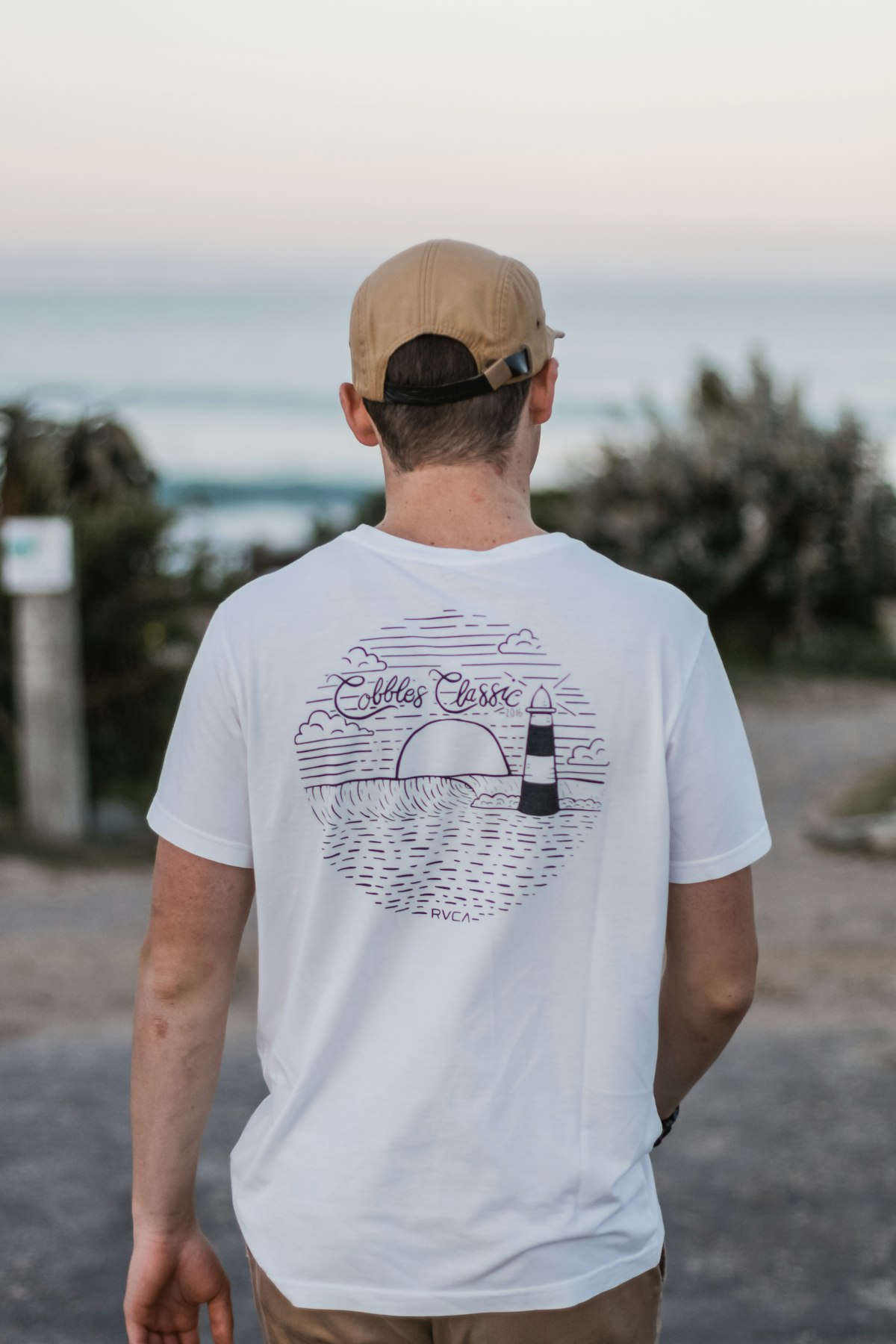
Best for solid colours + high volume
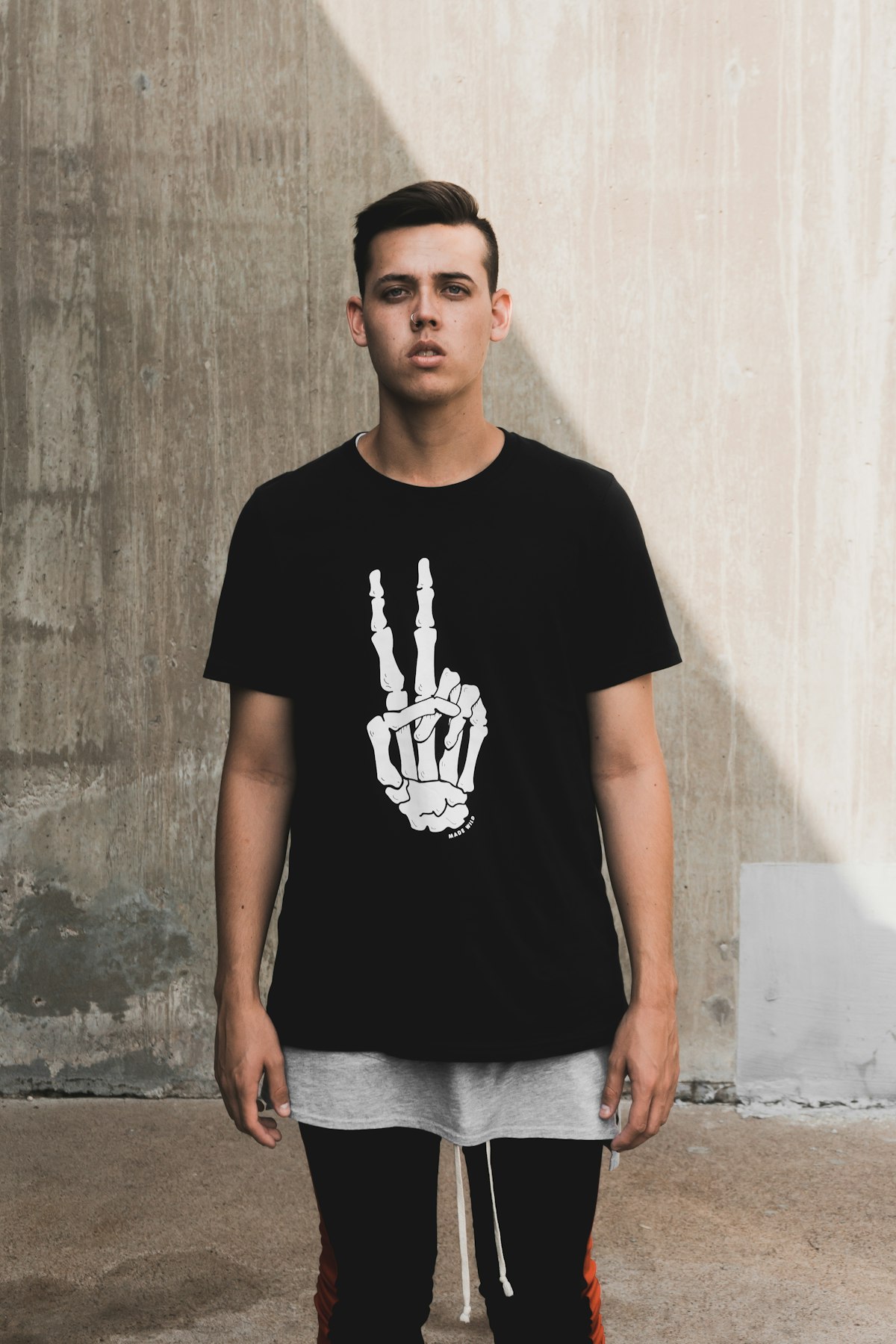
Best for photographic + multi-colour designs
Best for logos + premium positioning
There are seven print methods used across most custom apparel manufacturing — screen printing, DTG, plastisol, water-based and discharge, sublimation, embroidery, and heat transfer. Each one suits a different combination of fabric, design complexity, quantity, and budget. There is no single best method. The right choice depends on what you are making and how many of it you need. This page walks through each method, the trade-offs, a decision matrix, and three common scenarios so you can match the method to your order.
How to read this guide
For each method below we have laid out the same structure: what it is in one line, what it is best for, where it falls short, and roughly what it costs. The cost indicators are relative — a single rupee symbol means "cheapest per piece at volume", four rupee symbols means "premium". Actual quotes depend on fabric, quantity, design complexity, and finishing.
At the end there is a decision matrix that compares all seven methods at a glance, and three worked use cases — a corporate event tee, a D2C launch, and a sports jersey — to show how the decision actually plays out in practice.
The seven main print methods
Each method has been around long enough that its strengths and weaknesses are well understood. The mistake we see most often is buyers picking a method based on price alone, then being surprised by a hand feel or durability that doesn't match the brief. Read these properly before committing.
1. Screen Printing
The standard for solid spot colours at volume. Ink is pushed through a stencilled mesh screen, one colour at a time, onto the fabric. Cures under heat.
Solid, flat colour designs — 1 to 6 colours
High quantities — 200 pieces and up
Designs that need to survive heavy use and many washes
Cotton and cotton-blend fabrics
Setup fee per colour — uneconomical for very small runs or many colours
Cannot reproduce photographic prints or smooth colour gradients
Fine detail (very thin lines, small text) can clog the screen
Cost: Low per piece at volume — the cheapest method once you cross 200+ pieces
2. DTG (Direct-to-Garment)
A specialised printer sprays water-based ink directly onto the garment, much like an inkjet printer on paper. No screens, no setup, no per-colour cost.
Photographic designs, gradients, and complex multi-colour artwork
Small runs and one-offs — there is no setup fee
Designs with many colours that would be unworkable on screen print
100% cotton fabrics
Best on 100% cotton — performance drops on poly-rich fabrics
Dark fabrics need a white underbase pre-treatment, which slows production and adds cost
Durability fades faster than screen print over many wash cycles
Per-piece cost stays high — does not scale down with volume the way screen print does
Cost: Higher per piece, but no setup — flat rate regardless of colour count
3. Plastisol
A variant of screen printing using PVC-based ink. The ink sits on top of the fabric and cures into a glossy, slightly raised finish. The most common screen print ink in the industry.
Vivid, opaque colours — including on dark fabrics
Streetwear and merchandise where a punchy, saturated look is wanted
Designs needing strong colour fastness over many washes
Has a slightly raised, plasticky hand feel — not soft to the touch
Less breathable than water-based prints — can feel warm in hot climates
Not the right choice for premium, "feels like fabric" tees
Cost: Same as screen print — low per piece at volume, setup fee per colour
4. Water-based / Discharge
A softer alternative to plastisol. Water-based inks penetrate the fibres rather than sitting on top. Discharge printing goes a step further — it removes the dye in the fabric and replaces it with new colour, dyeing the cotton itself.
Premium tees where hand feel matters — the print is barely detectable to the touch
Vintage, washed-out aesthetics
100% cotton garments
Only works well on 100% cotton — poor results on blends or synthetic fabrics
Limited colour vibrancy on dark fabrics compared to plastisol
Discharge printing only works on garment-dyed fabrics that respond to the discharge agent
Slightly more expensive than plastisol per piece
Cost: Slightly higher than plastisol at the same volume
5. Sublimation
Ink is printed onto a transfer paper, then heat-pressed onto polyester fabric. The heat turns the ink into gas, which bonds with the polyester fibres permanently. The print becomes part of the fabric — no surface ink layer at all.
Activewear, jerseys, performance wear — anything polyester-rich
Full-bleed, edge-to-edge prints across the whole garment
Photographic designs and complex graphics
Designs that need to be completely breathable and stretchy with the fabric
Only works on polyester or poly-blend fabrics — does not work on cotton
Cannot print white — the fabric base colour shows through
Light-coloured fabrics work best; on dark polyester the result is muted
Cost: Mid-range — comparable to DTG, with no setup fee
6. Embroidery
A computer-controlled multi-head machine stitches the design directly into the fabric using coloured thread. The design is digitised first into a stitch file, then run at the machine.
Logos, monograms, chest badges, and small detailed marks
Premium positioning — embroidery reads as quality
Corporate uniforms, workwear, polos, and caps
Designs needing maximum durability — embroidery outlasts most prints
Cost rises with stitch count — large designs become expensive fast
Not suitable for photographic or smooth-gradient artwork
Very fine detail and small text below 5mm height often does not reproduce well
Stitches can pull on lightweight fabrics — better on heavier garments
Cost: Priced by stitch count + per-piece run — small logos are economical, large designs are not
7. Heat Transfer (Vinyl + DTF)
A design is cut from coloured vinyl or printed on a transfer film, then heat-pressed onto the garment. DTF (Direct-to-Film) is the newer, more flexible version — prints a full-colour design onto a film that gets pressed on.
Personalisation — names, numbers, individual customisation per piece
Small runs where setup-heavy methods are uneconomical
One-off samples and prototypes
Mixed garment types in a single order
Has a plasticky surface feel — sits on top of the fabric
Less durable than screen print or embroidery — edges can peel after repeated washes
Not the right choice for premium retail product
Vinyl is limited to flat solid colours; DTF handles full colour
Cost: Low setup, low per-piece — best economics at small quantities, loses its edge at volume
Specialty finishes — Puff, Foil, Silicon patches
These are not standalone methods so much as treatments layered on top of the core ones. Puff print uses a screen print ink that expands under heat into a raised 3D texture — common on streetwear logos. Foil is a screen-printed adhesive base with a metallic foil pressed on top — used for shine and premium accents. Silicon and rubber patches are produced separately and stitched or heat-sealed onto the garment — common for premium activewear and outdoor brands. We run all three in-house and use them often as accents within a broader print plan, rather than as the primary print method.
Decision matrix — all seven methods at a glance
A single-page comparison of every method covered above. Cost uses a relative scale — ₹ is cheapest per piece at volume, ₹₹₹₹ is premium. Durability is rough wash-cycle performance under normal home laundering.
| Method | Best for | Min qty | Cost / piece | Durability |
|---|---|---|---|---|
| Screen Print | Solid colours, high volume | 100 | ₹ | 50+ washes |
| DTG | Photographic, multi-colour | 1 | ₹₹₹ | 25–40 washes |
| Plastisol | Vivid colours, dark fabrics | 100 | ₹ | 50+ washes |
| Water-based / Discharge | Premium tees, soft hand | 150 | ₹₹ | 40+ washes |
| Sublimation | Activewear, full-bleed | 50 | ₹₹ | Lifetime of fabric |
| Embroidery | Logos, premium feel | 50 | ₹₹₹ | Lifetime of fabric |
| Heat Transfer (DTF / Vinyl) | Personalisation, small runs | 1 | ₹₹ | 20–30 washes |
Choose by use case — three real scenarios
Most orders fall into a few recognisable patterns. Here are three we see often, and the method we would recommend if you asked us.
200 corporate event tees with company logo
A chest logo in 1–3 colours is the textbook case for screen print — the per-piece cost is the lowest, and the print survives years of wear. If the order is a polo or premium positioning matters, embroider the logo instead. Embroidery costs more but reads as higher quality, which most corporate buyers prefer.
200 D2C launch with a photographic graphic
A full-colour photographic print is not workable on screen print — too many colour separations. DTG handles it cleanly with no setup. At 200 pieces, DTG is still cost-effective compared to the screen setup fees you would pay to attempt the same artwork in plastisol. Use 100% cotton tees for best results.
200 jerseys with player names and sponsor logos
Jerseys are polyester. Player names and numbers vary per piece. Sponsor placements need to be sharp and durable. Sublimation handles all of this in one print run, with full breathability and no surface texture. It is the standard method for performance jerseys for good reason.
How Klothewala fits into this
We run all seven of these methods in-house at our Tirupur production unit — plus the specialty finishes mentioned above. That matters because most factories run two or three methods well and outsource the rest. When the print plan needs more than one method on the same garment — embroidered logo, screen-printed back graphic, heat-transfer numbering — having all of it under one roof keeps lead times tight and quality controlled.
On a typical project, we will recommend the method based on your fabric, your design, and your quantity — not based on what we are set up to push that week. If DTG is genuinely the better answer for your run of 200 photographic tees, we will say so, even though screen print would be a higher-margin job for us. That is how the partnership is supposed to work.
All 7 + specialty
Screen, DTG, plastisol, water-based, sublimation, embroidery, heat transfer
200 pcs per design
Across all print methods
45–60 days
Sample through dispatch — print method does not add time
Bangalore + Tirupur
Account management Bangalore, production Tirupur
Frequently asked questions — print methods
The questions buyers ask most often when choosing a print method, answered directly.
Screen printing pushes ink through a stencilled mesh — one screen per colour — and cures under heat. It is cheap per piece at volume but has a setup fee per colour and cannot handle photographic prints. DTG (Direct-to-Garment) sprays ink directly from a printer onto the fabric, like an inkjet onto paper. It has no setup fee and handles unlimited colours, but costs more per piece and works best on 100% cotton.
Sublimation and embroidery last the longest because the design is physically embedded in or sewn into the fabric — they last the lifetime of the garment. Screen printing and plastisol typically survive 50+ wash cycles with minimal fading. DTG and heat transfer fade faster — expect noticeable wear after 25–40 washes.
Different methods work on different fabrics. Sublimation is polyester-only — it does not work on cotton at all. Water-based and discharge printing are cotton-only — they perform poorly on synthetics. Screen print, plastisol, DTG, embroidery, and heat transfer all work on cotton and cotton-blends. For poly-rich activewear, sublimation is almost always the right answer.
We run all seven of the standard methods in-house — screen printing, DTG, plastisol, water-based and discharge, sublimation, embroidery, and heat transfer (vinyl and DTF). We also handle specialty finishes — puff, foil, and silicon and rubber patches — which we typically apply as accents within a broader print plan rather than as standalone methods.
Our standard MOQ is 200 pieces per design across all print methods. For DTG and heat transfer, smaller runs are technically possible but the per-piece cost works against you. For screen printing and plastisol, 200 pieces is roughly the volume at which the setup cost is properly amortised. For embroidery and sublimation, 200 pieces gives a sensible price point.
For dark fabrics, plastisol gives the most vivid, opaque result — the ink sits on top of the fabric so colour pops. Screen print with a white underbase also works well. DTG requires a white underbase pre-treatment on dark fabrics, which slows production. Water-based and discharge printing are not suited to dark fabrics — colour vibrancy is limited. Sublimation requires light-coloured polyester for best results.
For corporate logos, embroidery typically reads as more premium and lasts the lifetime of the garment, but costs more — especially as stitch count rises. Screen printing is cheaper, scales well at volume, and handles a wider range of artwork. The practical rule: for polos, caps, and workwear use embroidery; for event tees and high-volume merchandise use screen print. Many corporate orders use both — embroidered logo on the chest, screen-printed details elsewhere.
Related pages
Not sure which method fits your order?
Send us your brief on WhatsApp — product type, quantity, fabric, and a rough idea of the artwork. We will recommend the right method, ballpark the cost, and come back within 48 hours.
All seven print methods in-house · Tirupur production unit · MOQ 200 pcs · UK · UAE · AU · USA · India
Managed knitwear manufacturing. Bangalore office. Tirupur production.
Services
Who We Work With
Locations
Get in Touch
Bangalore — Head Office
Klothewala
Koramangala, Bengaluru
Karnataka 560034, India
Mon–Sat · 9:00–18:00 IST
Tirupur — Production Unit
KWI Apparels, Tiruppur
No.49, 1st Floor, Anna Street
Sri Venkateswara Nagar, Sirupooluvapatti Ring Road
Tiruppur, Tamil Nadu 641652, India
Knitwear manufacturing · Export-ready
© 2026 Klothewala. All rights reserved.GSTIN: 29AAGCH2472L1Z6 · Registered in Karnataka, India